

Injection molding and 3D printing are both popular techniques for producing parts and components. But the manufacturing process of each has its unique advantages and disadvantages. 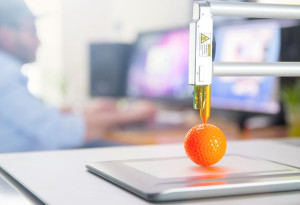 You may be wondering what the differences are and, most importantly, which technique is best to use.
Here we cover the difference between the two so you can understand which option to choose.
Injection molding uses a mold. This mold is then filled with a hot material that cools and hardens. This is an excellent option for high-volume production and creates minimal waste.
3D printing, on the other hand, creates an object by building layers of material. This process is slower than injecting molding. The setup, however, is faster. This means the process allows for frequent design change and is a better option for complex designs.
What are the differences?
Injection molding allows you to produce both large and small components. However, this process generally has a longer turnaround time than 3D printing. Production time usually takes between 5-7 weeks. Because of this timeframe, this is not a good option for a design that needs frequent changes. But because the method can make many designs at once, this process is a good, cost-effective option if you’re making parts in high volume, especially if you’re making more than 1000 items. Injection-molded parts tend to be stronger than 3D printing, as well, because they’re made from a single layer of material
Injection molding has a few drawbacks, as well. First, of course, it’s difficult to change your design as you work, as stated above. The process also limits your design options— right angles in the design are difficult, for example. It’s also harder to make more intricate or delicate designs. The production materials are also more costly than 3D printing when starting up.
3D printing, in comparison, has a fast turnaround time, usually around 1-2 weeks. This means it’s a great option for rapid prototyping and ongoing changes to the design. The process is great for creating smaller parts and complex designs. Its best suited for low production of 100 pieces or fewer because it can be more costly and timely for a larger production. Overall, 3D printing has low start-up costs since materials are cheaper and there are many open-source software and hardware solutions that can be accessed at little cost, as well.
3D printing is not without drawbacks, however. It can be a slower method. Most printers can only build one or two items at a time. Because the process is detail-oriented, it limits how many parts can be produced simultaneously.
Which should you choose?
You may be wondering which option is best for you.
Overall 3D printing is better for small-batch, complex parts that may require frequent design changes. Injection molding is better for large volume production of less complex parts that have completed the design stage.
We can also help support you with your design and manufacturing process. We focus on plastics manufacturing and provide unbiased manufacturing solutions based on the customer’s specific application and requirements. We also offer keen insight into the latest material options, manufacturing processes, finishing & decorating techniques and state-of-the-art technology. Learn more about us here: http://plasticsmfg.net/